Water Well Drilling
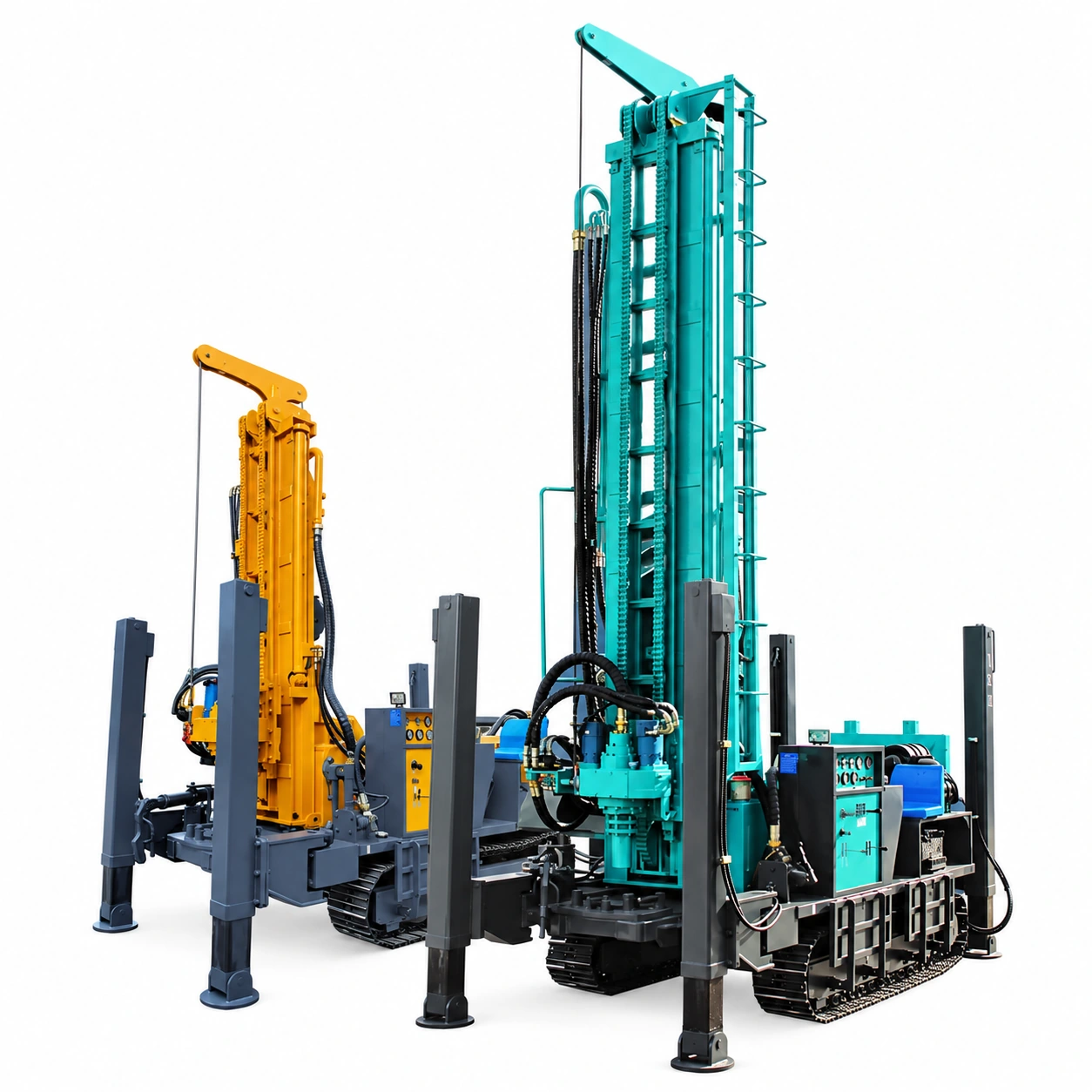
How to Choose a 300 m Water Well Drilling Rig
Compare drilling method, hole diameter, air demand, feed stroke, geology and transport requirements before selecting a 300 m water well drilling rig.
Read guide →Practical selection, application and export guidance prepared for international machinery buyers.
Compare drilling method, hole diameter, air demand, feed stroke, geology and transport requirements before selecting a 300 m water well drilling rig.
Read guide →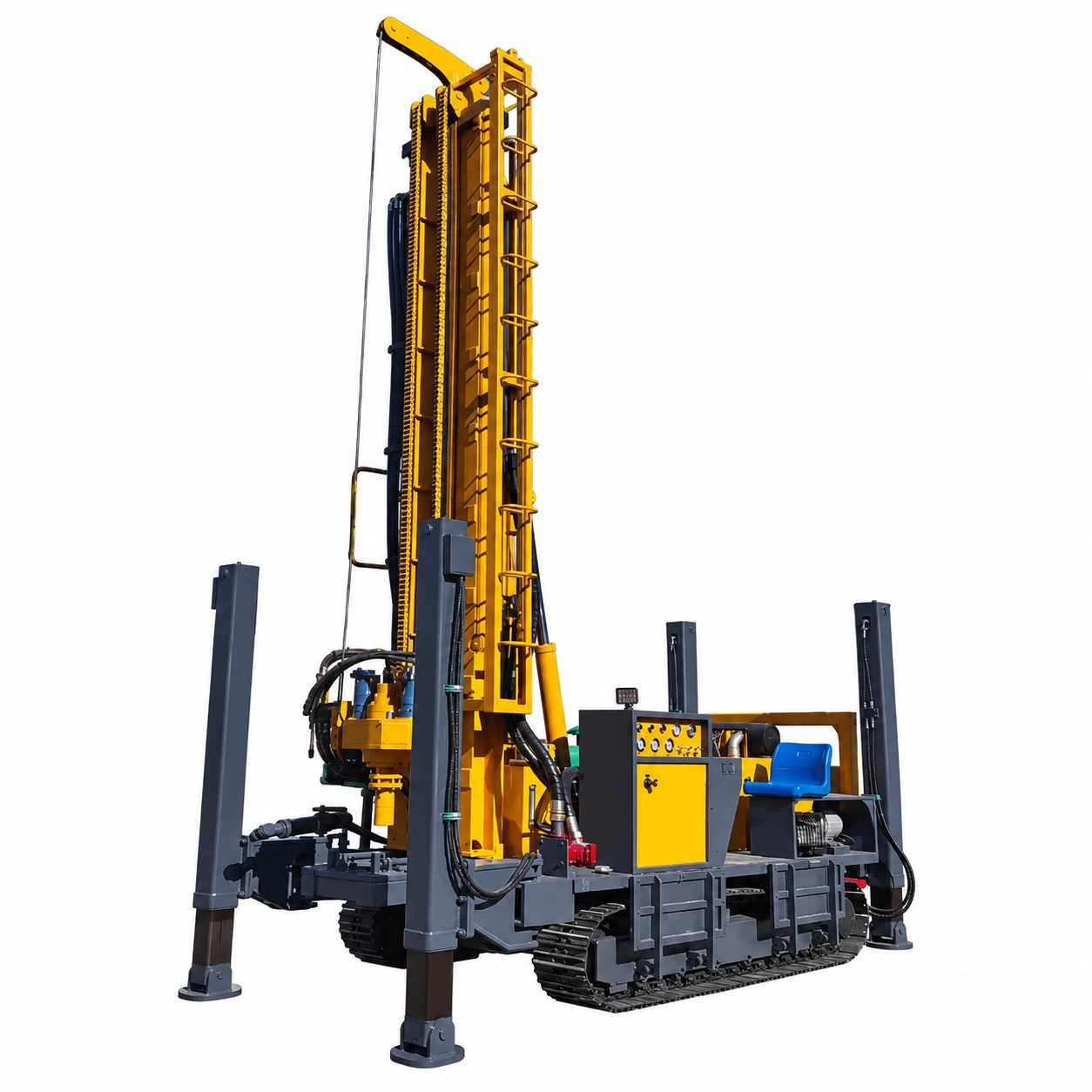
Compare FY300A/FY300B, FY400 and FY500 catalog depth, hole diameter, engine power, air demand and transport factors for water-well projects.
Read guide →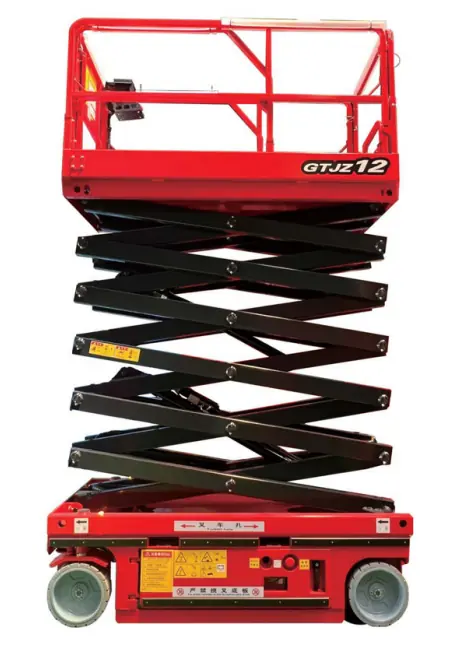
Compare GTJZ10 and GTJZ12 working height, platform height, machine size, load and transport dimensions before choosing an electric scissor lift.
Read guide →
Compare XZ03B, XZ03C and XZ05A rated load, boom length, access dimensions, weight and outrigger space before requesting a spider crane quotation.
Read comparison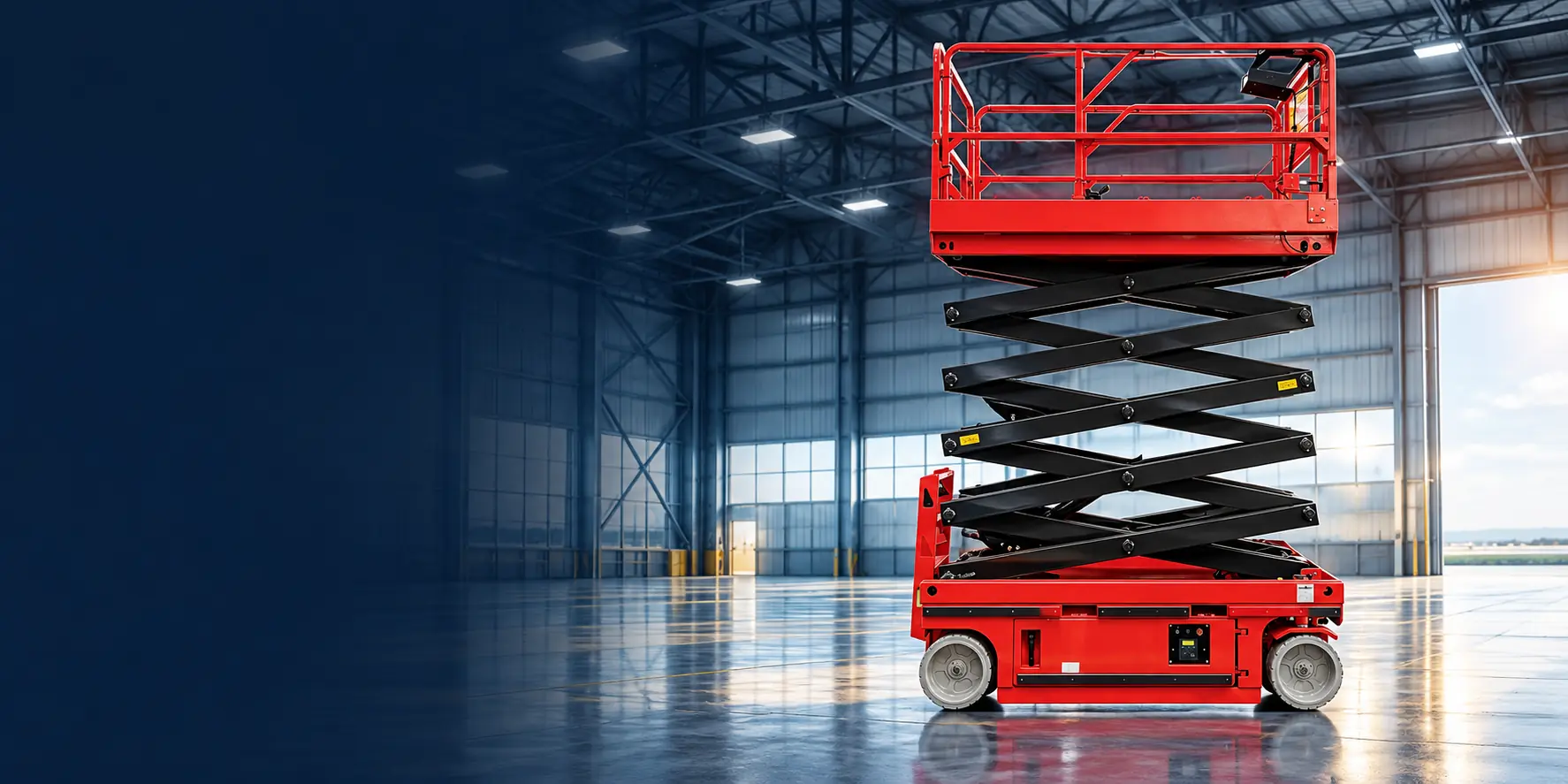
Compare material lifting with personnel access using XZ03C, XZ05A, GTJZ10 and HC0607EA specifications and a practical site inquiry checklist.
Read comparison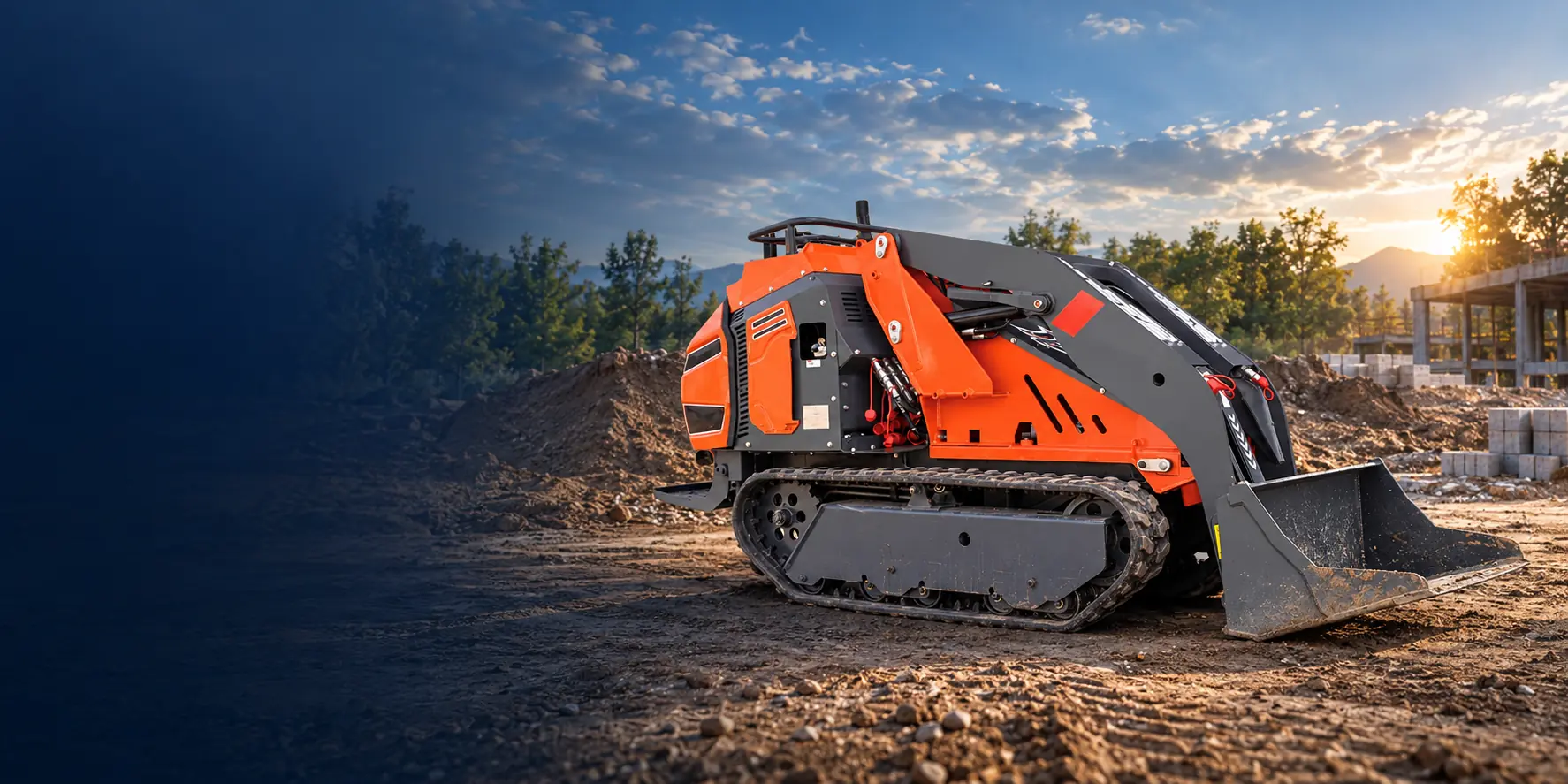
Compare C1200, V1000 and T480 rated load, operating weight, dimensions and bucket capacity, then confirm access and attachment compatibility.
Read comparisonCompare paired S360/T360 through S490/T490 mini skid steer models by operating weight, rated load and published overall dimensions.
Read guide →How to measure a gate, corridor, turning route and bucket clearance before selecting a narrow mini skid steer loader.
Read guide →Compare T500 tracked mini dumper and T550 tracked mini concrete mixer by job, maximum load, dimensions and site access.
Read guide →A site measurement guide for compact scissor lifts covering folded dimensions, routes, floors and platform capacity.
Read guide →Choose between compact electric and crawler scissor lifts by floor conditions, access, working height and platform load.
Read guide →Compare folded size, turning space, route limits and deployed working envelope before selecting a crawler spider crane.
Read guide →Plan spider crane setup by access width, outrigger spread, support surface and the correct load chart for a lift.
Read guide →A practical site checklist for traction, ground support, track wear and access when selecting compact tracked loaders.
Read guide →How to compare rated load, material density and attachment mass when choosing a compact tracked loader.
Read guide →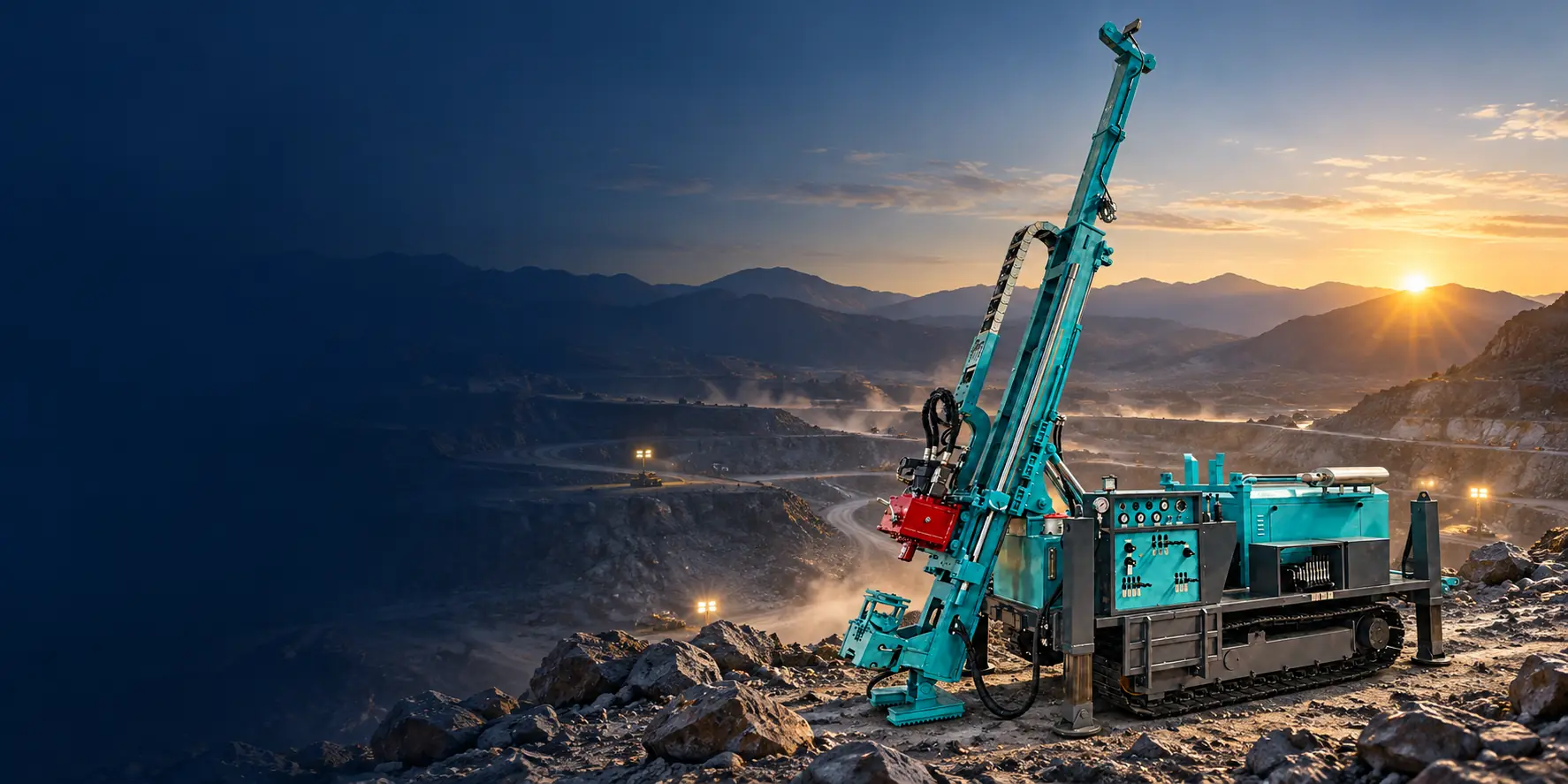
A buyer checklist for transport dimensions, access routes, setup footprint and utilities before choosing a crawler core rig.
Read guide →How circulation, water supply, cuttings removal and pump matching affect a wireline core drilling configuration.
Read guide →A practical comparison of feed travel, pullback capability, rod handling and recovery planning for wireline exploration rigs.
Read guide →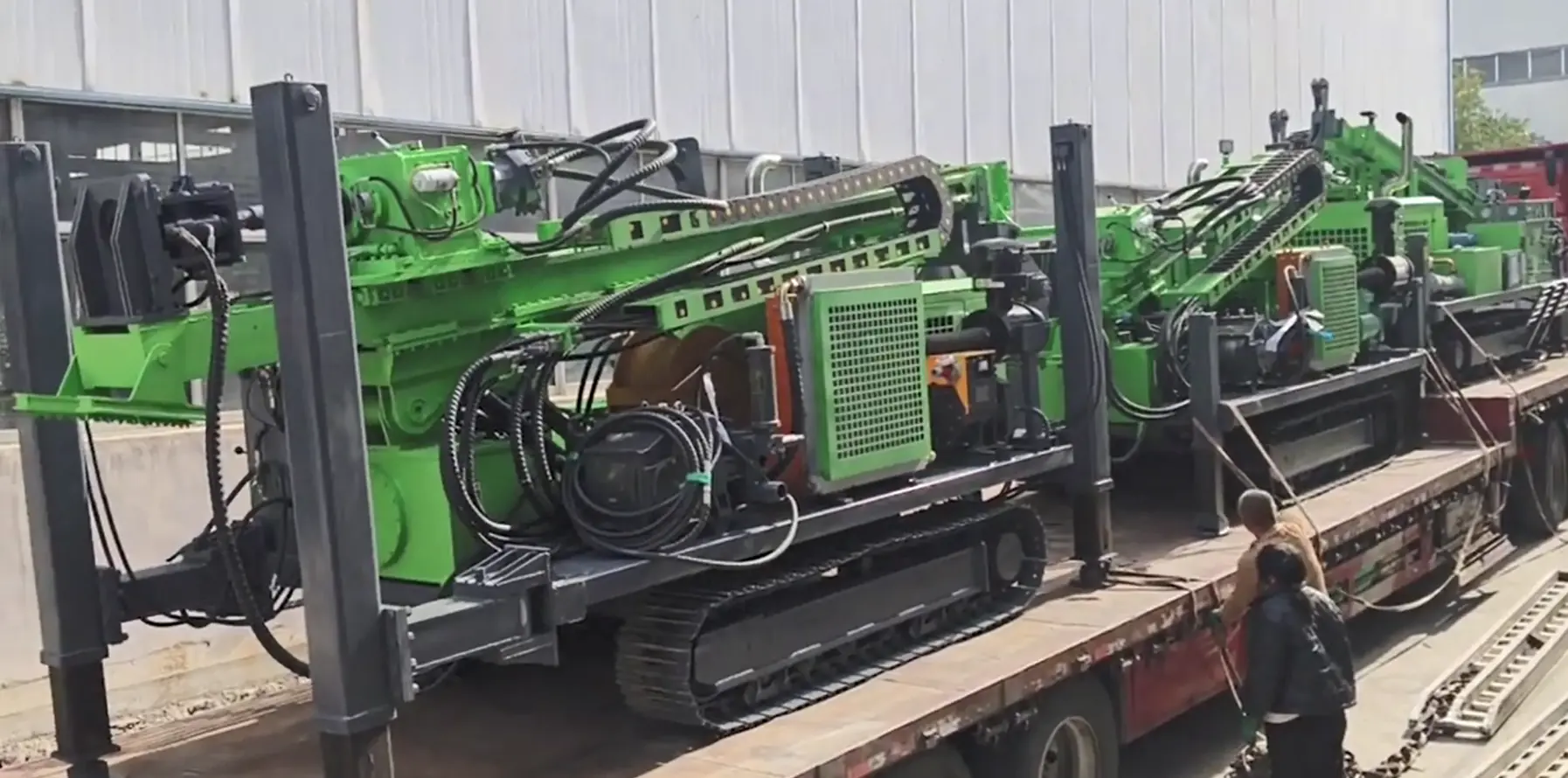
A practical checklist for transport dimensions, loading evidence, documents and spare parts in machinery exports.
Read guide →Understand the difference between working height and platform height, then compare load and chassis conditions.
Read guide →Compare skid steer attachments by hydraulic flow, rated load, machine width and the task on site.
Read guide →Understand why NTW, BTW and HTW depth ratings differ, and compare exploration rigs by core diameter, formation and complete drilling system.
Read guide →Learn how working radius, boom extension and outrigger setup affect spider crane selection beyond its headline rated capacity.
Read guide →A practical guide to selecting an exploration drilling rig by target depth, core diameter, geology, terrain, power and transport requirements.
Read guide →Learn how to compare spider cranes by rated load, working radius, boom length, outrigger footprint, access width and optional equipment.
Read guide →Compare scissor lifts by working height, platform load, machine size, drive system, gradeability and ground conditions.
Read guide →