Matching machines to a compact jobsite: skid steer, spider crane and scissor lift
Urban and indoor jobsites are decided by three numbers: the narrowest access width, the heaviest load, and the highest working point. Here is how we narrow down a machine list from those three numbers.
Step 1 — Measure the route, not just the site
A machine that fits the site but not the doorway never works. Measure gate width, corridor turns, floor transition strips and elevator dimensions. Our narrow access checklist and doorway clearance guide give the measurement method.
Step 2 — Match load to the real weight
Compare rated operating capacity against material density and attachment weight, not just bucket size — see rated capacity explained. For lifts, compare working height vs platform height.
Step 3 — Match lift to radius, not to headline tons
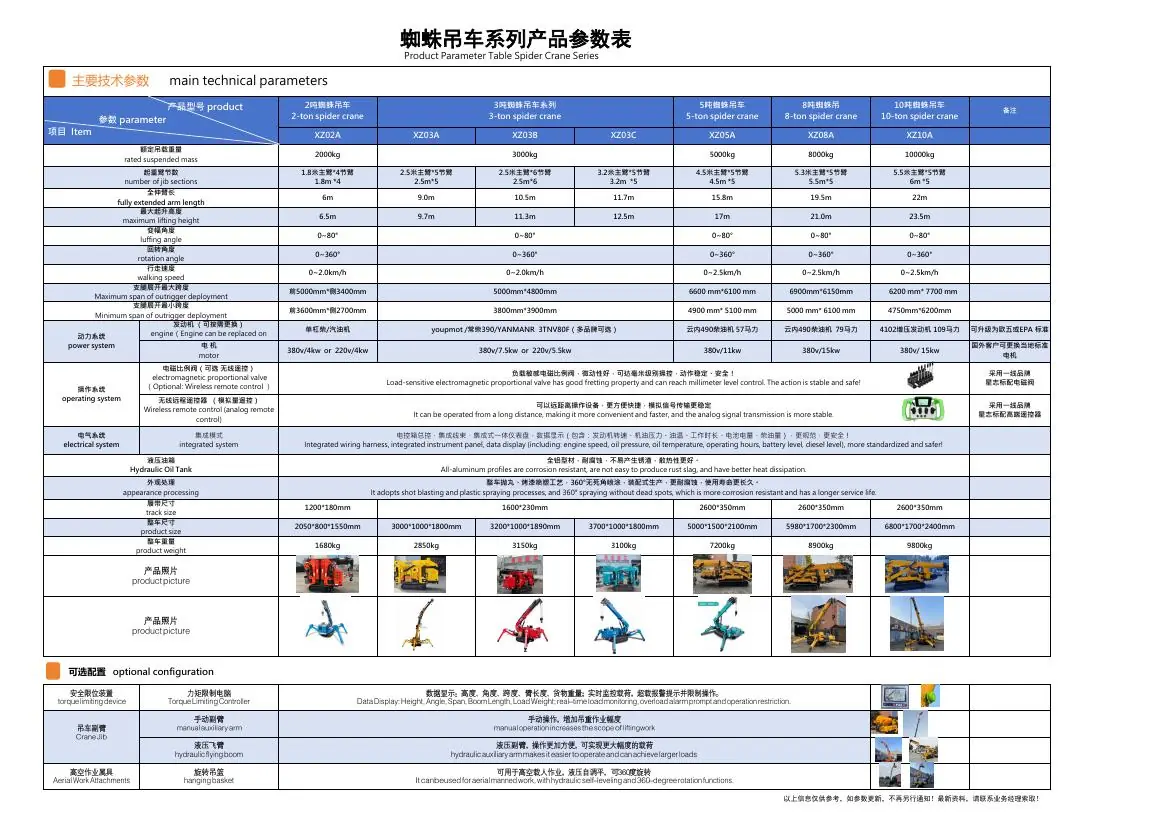
A spider crane's rated capacity applies only at a specific radius. The load chart guide and outrigger footprint checklist show how to read it for indoor floors.
Worked decision
| Site constraint | Question to answer | Typical result |
|---|---|---|
| 800 mm door, indoor floor | Which machine passes and carries 400 kg? | Compact spider crane (e.g. XZ03 class) — outrigger spread fits the room |
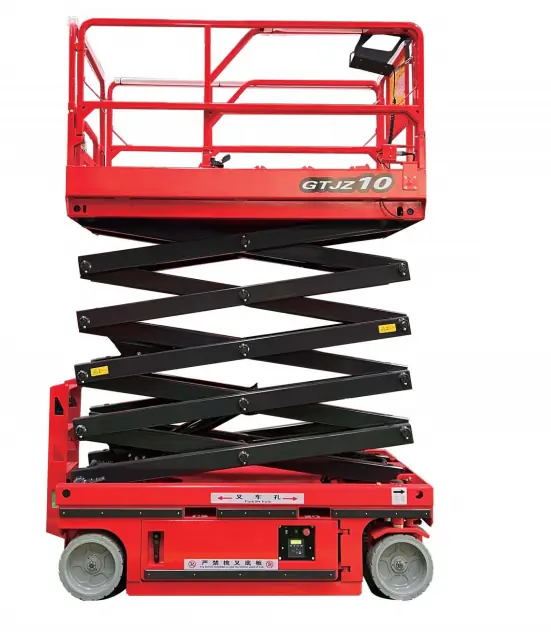
| Outdoor yard, 6 m high racking work | Lift or crane? | Electric scissor lift (e.g. GTJZ10) if access is for personnel |
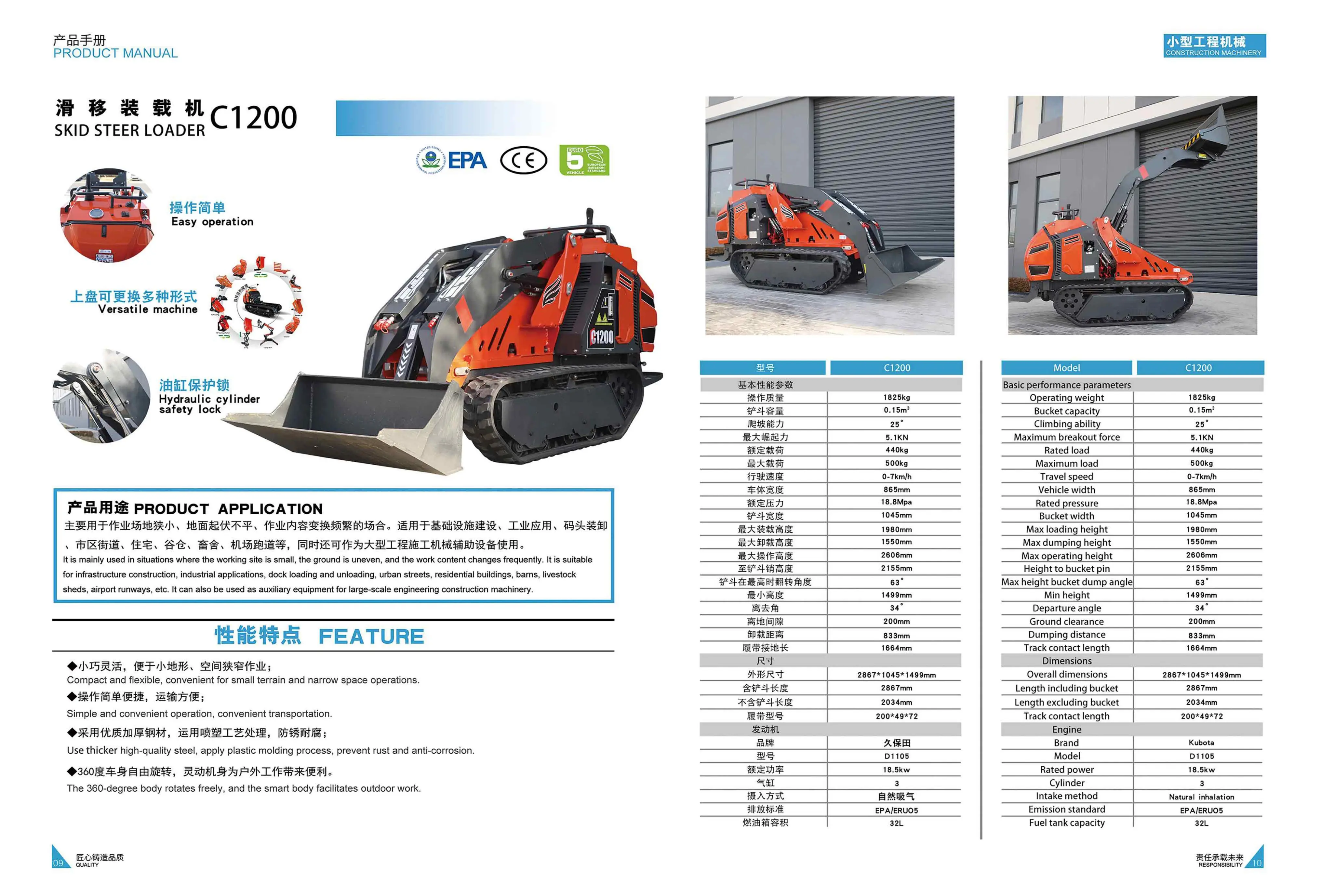
| Landscape cleanup, soft ground | Wheeled or tracked? | Tracked mini skid steer (T series) — see soft ground guide |
Send us your three numbers
Narrowest access, heaviest load, highest working point — we will return a machine shortlist with configurations.
Start the discussionWhatsApp us